LANGUAGE TECHNOLOGIES AND DIGITAL HUMANITIES CONFERENCE – JT-DH 2026
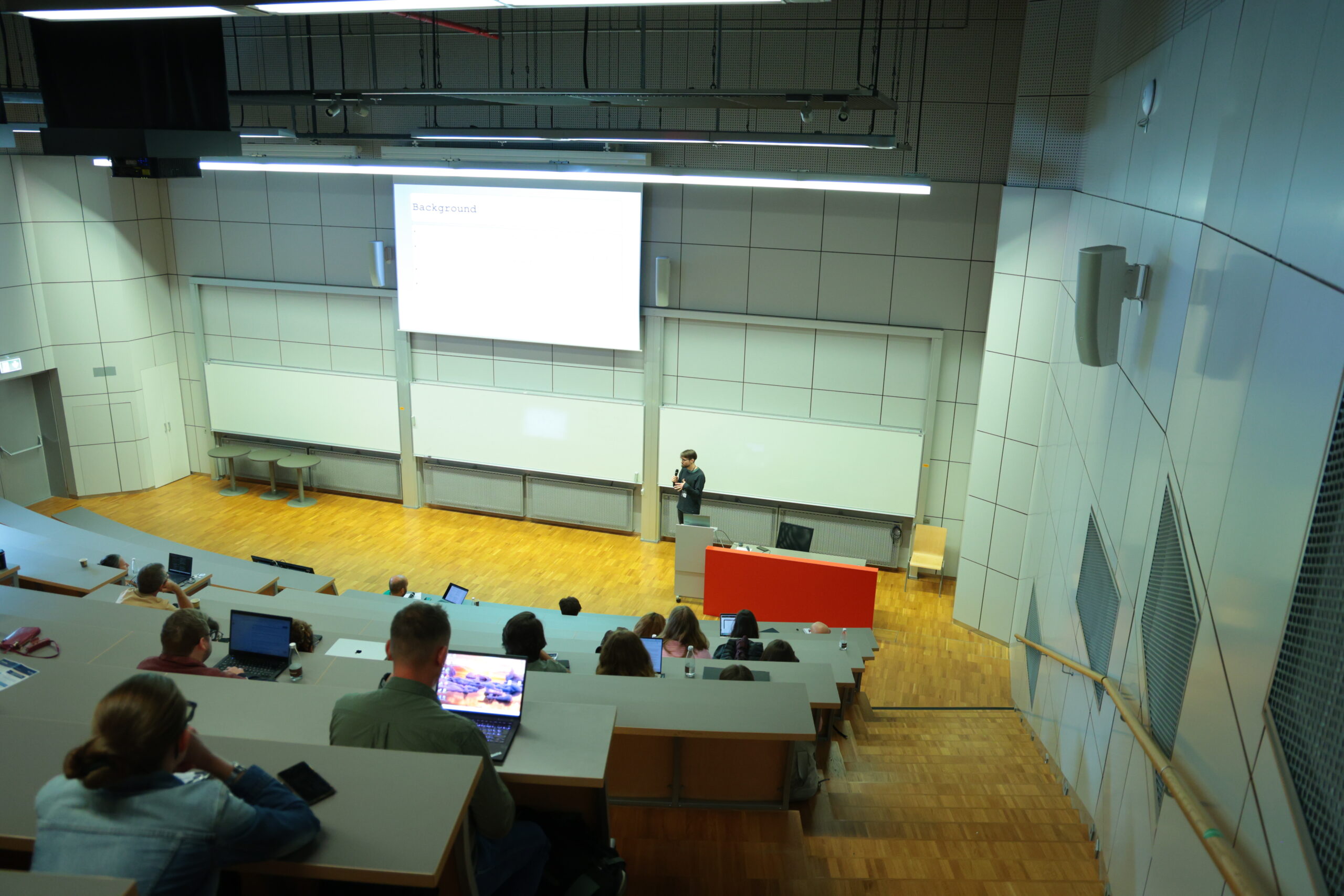
As part of DARIAH-SI, the Institute of Contemporary History co-organised the Language Technologies and Digital Humanities Conference (JT-DH 2026) together with the Slovenian Language Technologies Society (SDJT), the Centre for Language Resources and Technologies (CJVT) and CLARIN.SI. The conference took place on 17 and 18 September at the Faculty of Computer and Information Science, University of Ljubljana.
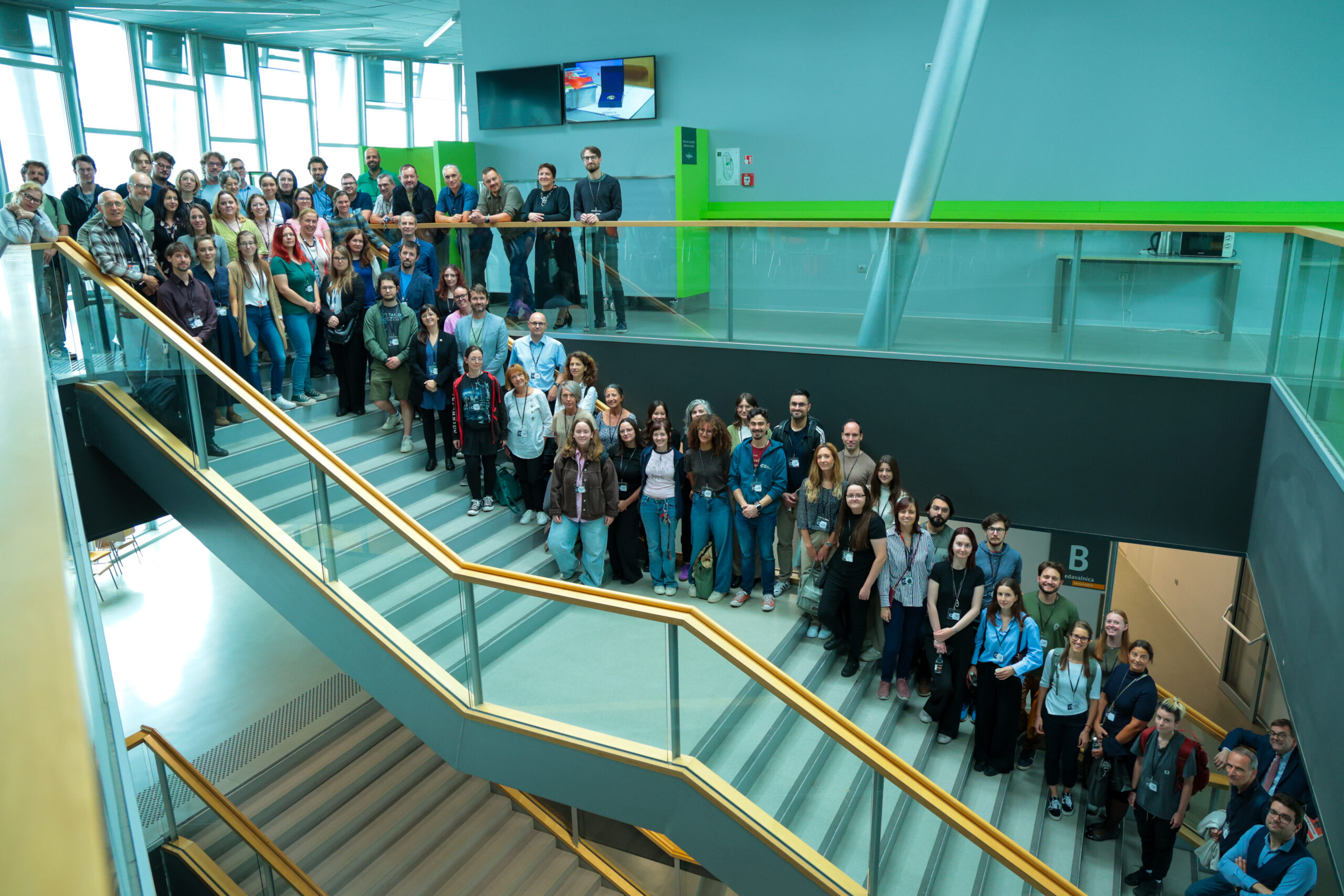
The two-day conference brought together researchers working in language technologies, digital humanities, computational linguistics, history and related fields, providing a space for the presentation of new research, resources, methods and tools.
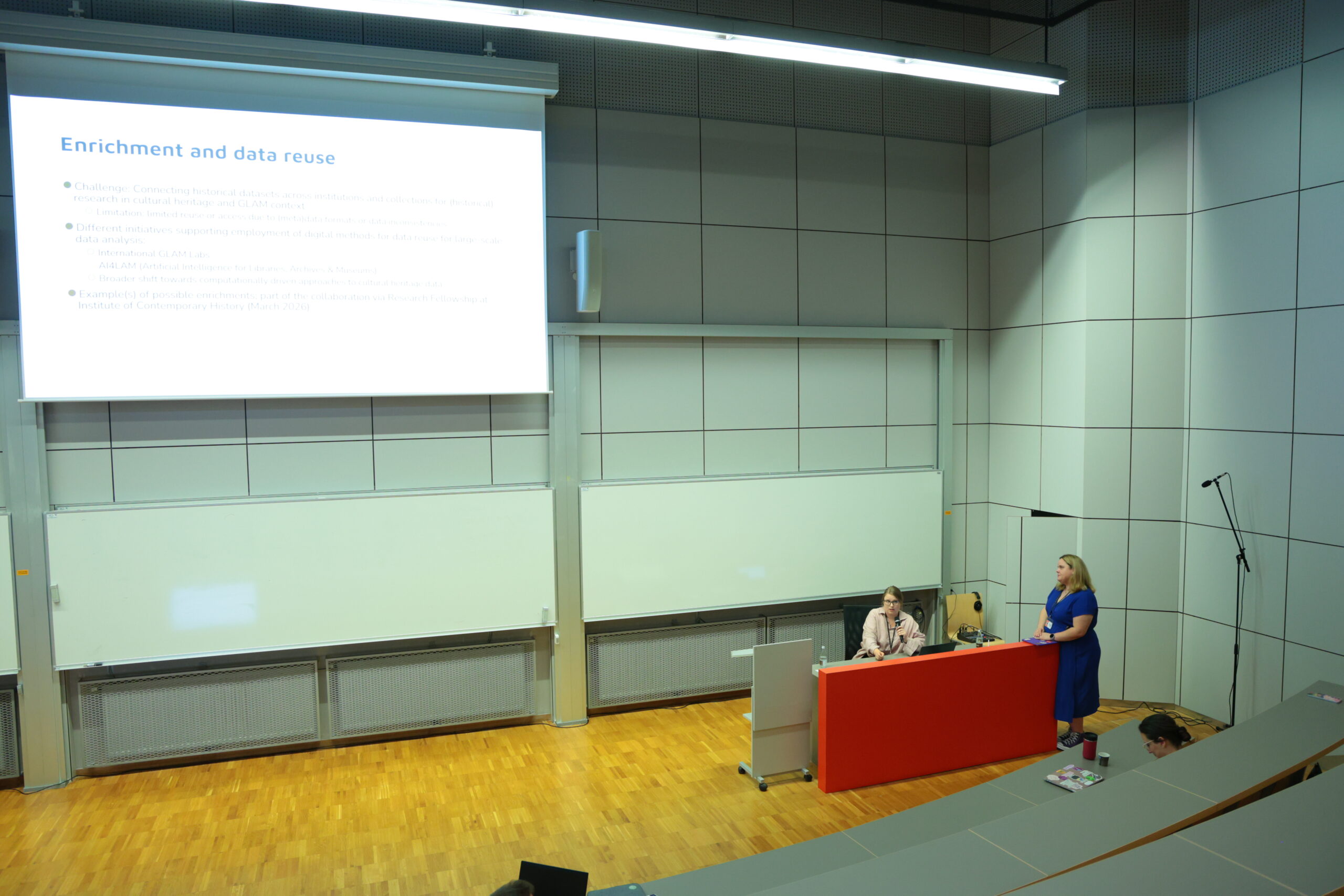
The first conference day featured an invited talk by Andrea Kocsis, chaired by our colleague Vojko Gorjanc. In the section Society, Memory and Cultural Data, Katja Meden and Tamara Logar presented a paper on the enrichment of the Database of Fatalities of the Second World War in Slovenia, prepared together with Gustavo Candela, Paul Spence and Andrej Pančur. Filip Dobranić, together with Matevž Pesek, presented research on advertisements in the newspaper Slovenski narod, while Oliver Pejić, Vojko Gorjanc, Filip Dobranić and Darja Fišer, together with Tina Munda and Uroš Šmajdek, contributed the paper Evaluative Framing of Collective Identities in Leading Slovene Newspapers from the Late Habsburg Empire.
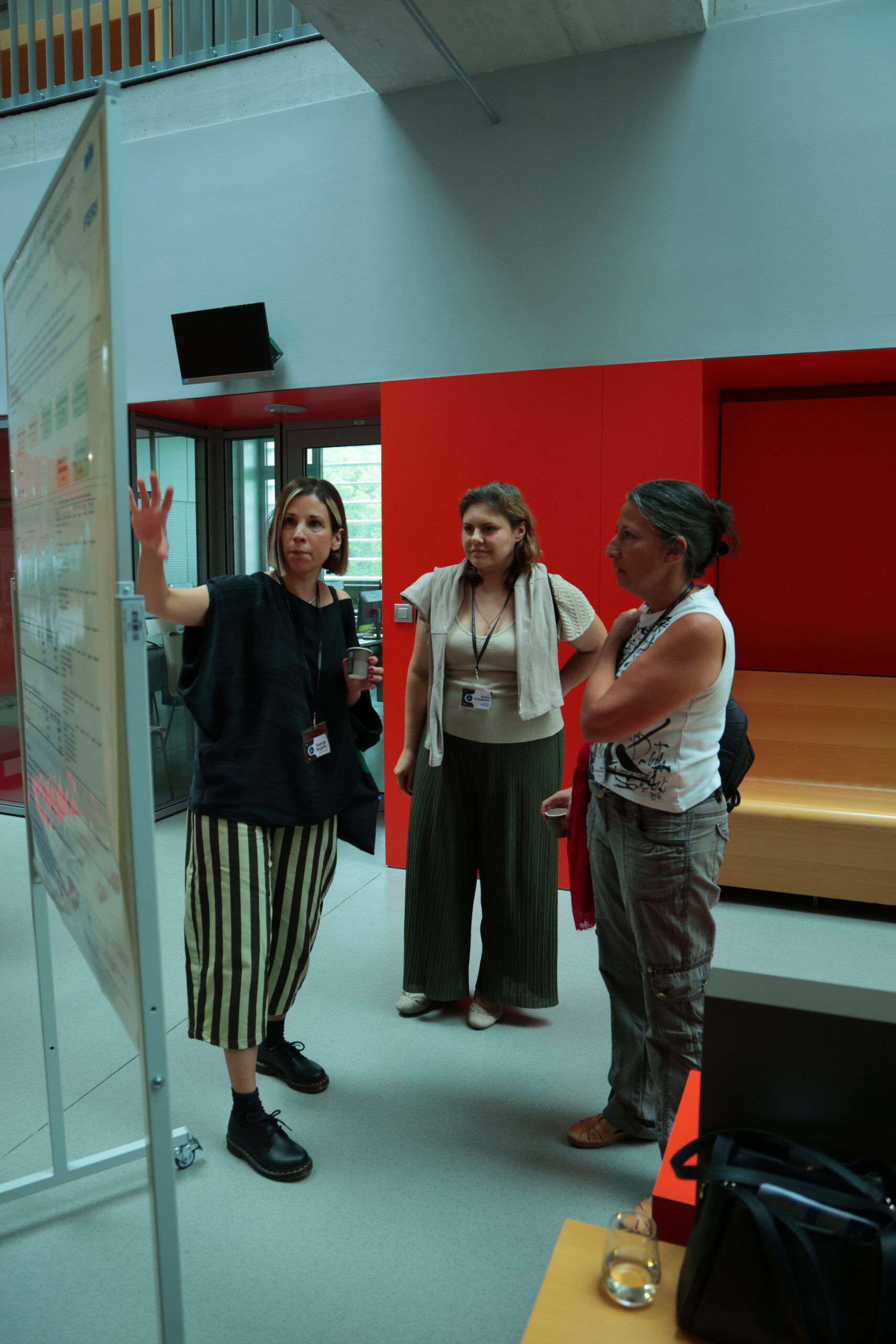
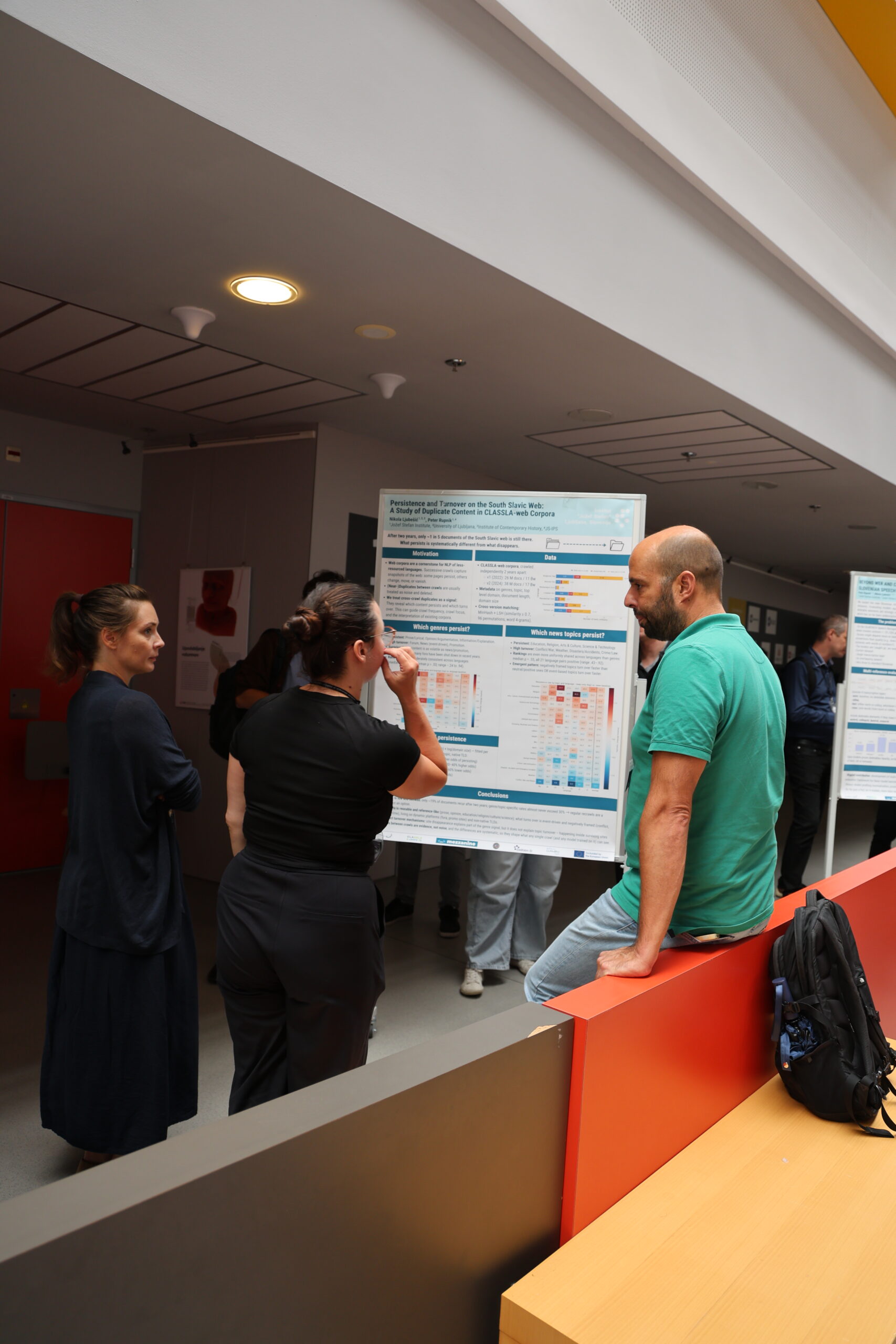
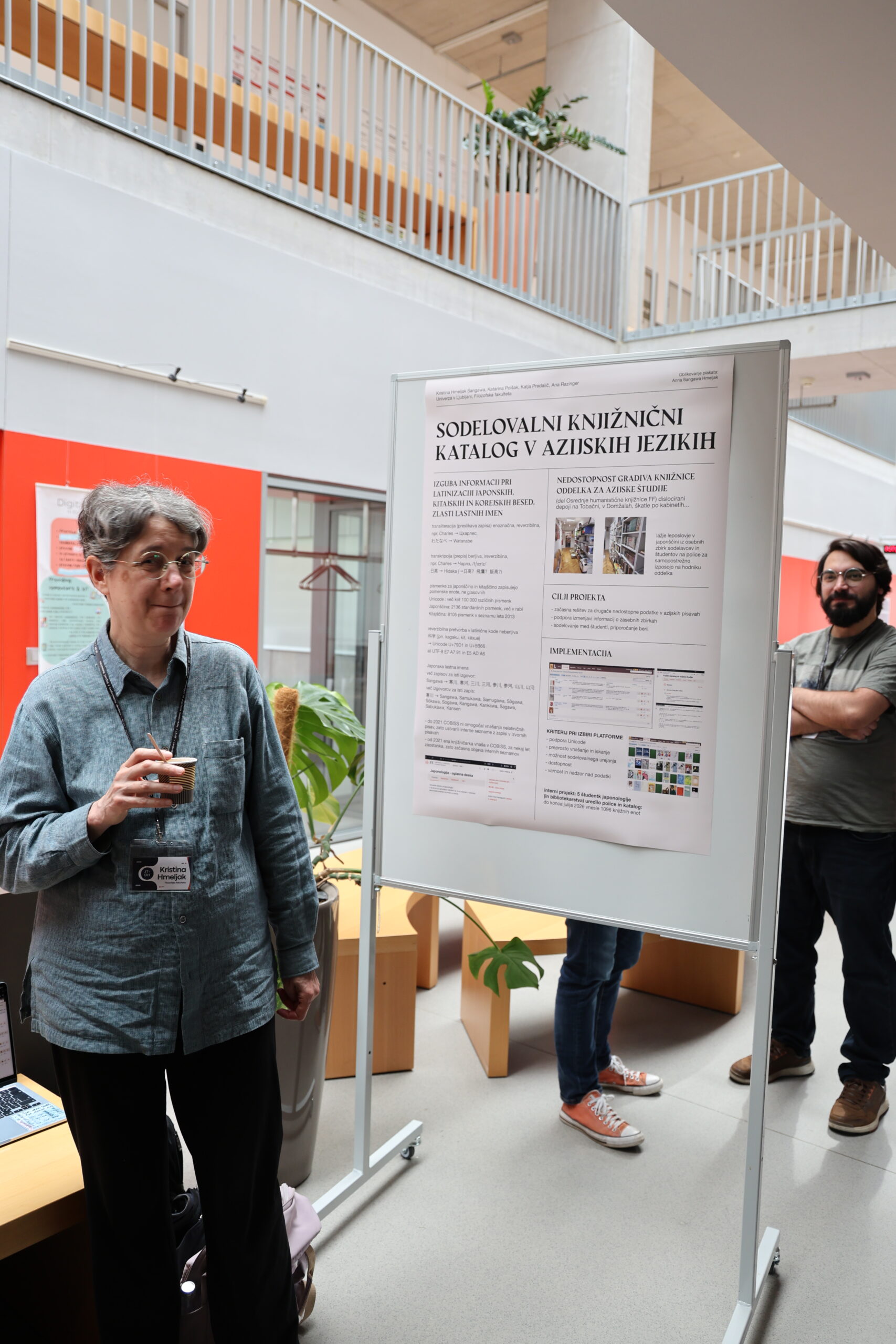
INZ researchers were also strongly represented during the poster session. Contributions included Neja Blaj Hribar with Vid Klopčič and Andrej Pančur, Ajda Pretnar Žagar and Vojko Gorjanc with Matija Marolt, Vojko Gorjanc and Matej Klemen, and Ksenija Bogetić and Nikola Ljubešić, with Nikola Ljubešić contributing to two posters.
The DiPaDA: Digital Parliamentary Data in Action session was chaired by Ajda Pretnar Žagar, who also presented Between Procedure and Representation: Constituency Effects in the Carniolan Provincial Assembly (1861–1913). In the same session, Anna Kryvenko presented Metaphorising European Integration in Ukrainian Parliamentary Discourse: A Longitudinal Corpus-Assisted Study. In the section Corpus-Based and Computational Methods, Nikola Ljubešić presented together with Isabell Furkert, while Jakob Lenardič presented together with Kaja Dobrovoljc Zor.
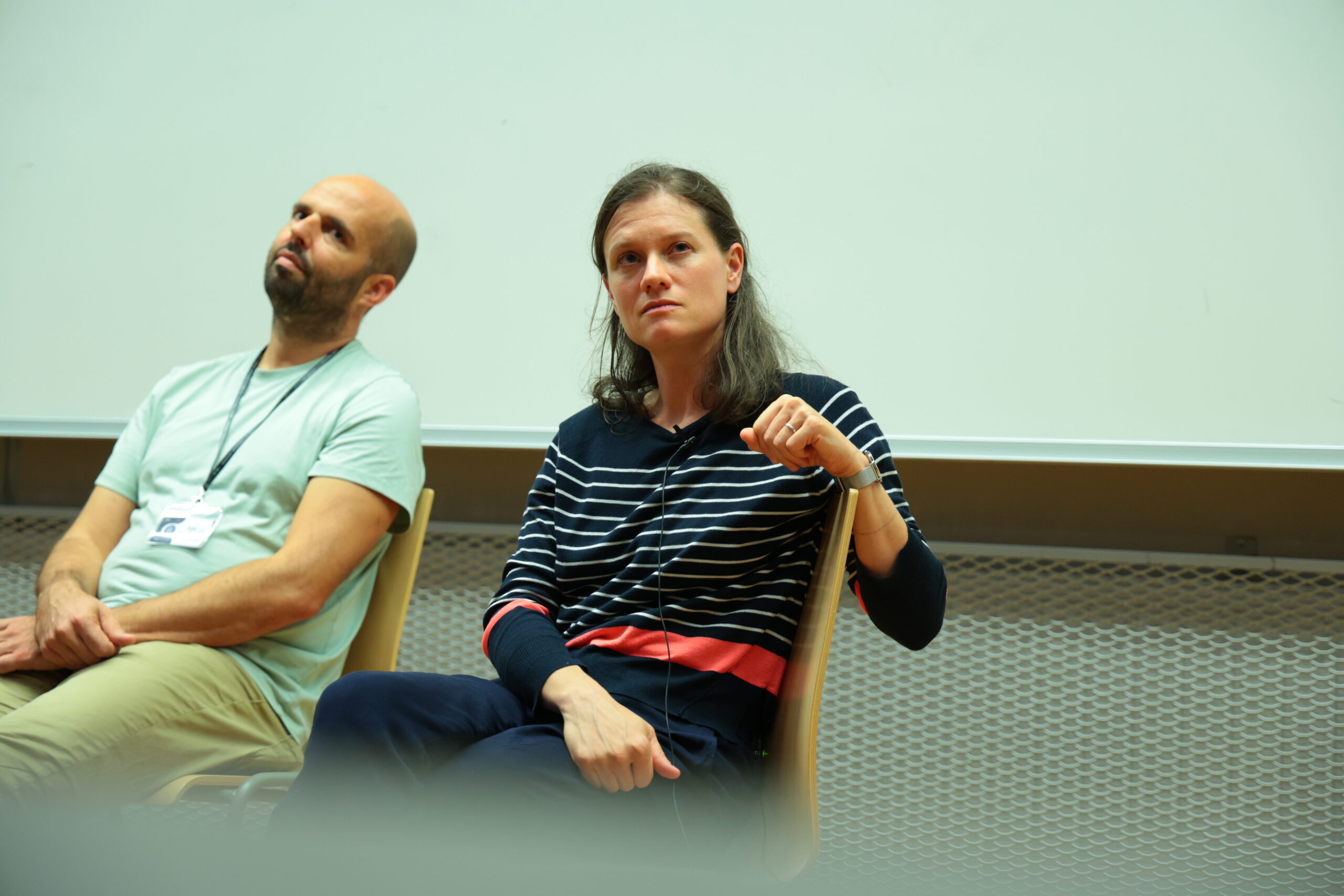
The first day concluded with the panel Benchmarking Large Language Models for Slovenian: Methods, Challenges and Perspectives, chaired by Ajda Pretnar Žagar. Nikola Ljubešić also participated in the discussion alongside Simon Krek and Špela Vintar.
The second conference day opened with an invited talk by Anna Vacalopoulou, LLMs as Lexicographers: Who Needs Dictionaries When AI Knows Everything?. This was followed by the section Model Performance, Transfer and Bias, chaired by Nikola Ljubešić, with presentations focusing on multilingual transfer, political and gender bias, and the evaluation of language models.
INZ was again represented during the poster session. Nikola Ljubešić contributed to three posters addressing South Slavic language varieties, Slovenian speech recognition benchmarking and web corpora within CLASSLA-Web. Matej Klemen, together with his co-authors, presented Ontologija tematskih polj za slovenščino kot drugi in tuji jezik – ONTEM 1.0.
In the section Preparing and Analysing Historical Data, the paper Combining Graph Visualisation and Critical Discourse Analysis in the Study of Slovene Historical Newspapers was presented. It was prepared by our colleagues Vojko Gorjanc, Filip Dobranić, Oliver Pejić and Darja Fišer, together with Uroš Šmajdek and Tina Munda.
In the final thematic section, New Resources, Lexical Data and Lexicography, Matej Klemen, together with Mojca Stritar Kučuk, Mateja Eniko and Damjan Huber, presented SEJO KOST: Razvoj novega jezikovnega vira za slovenščino kot neprvi jezik.
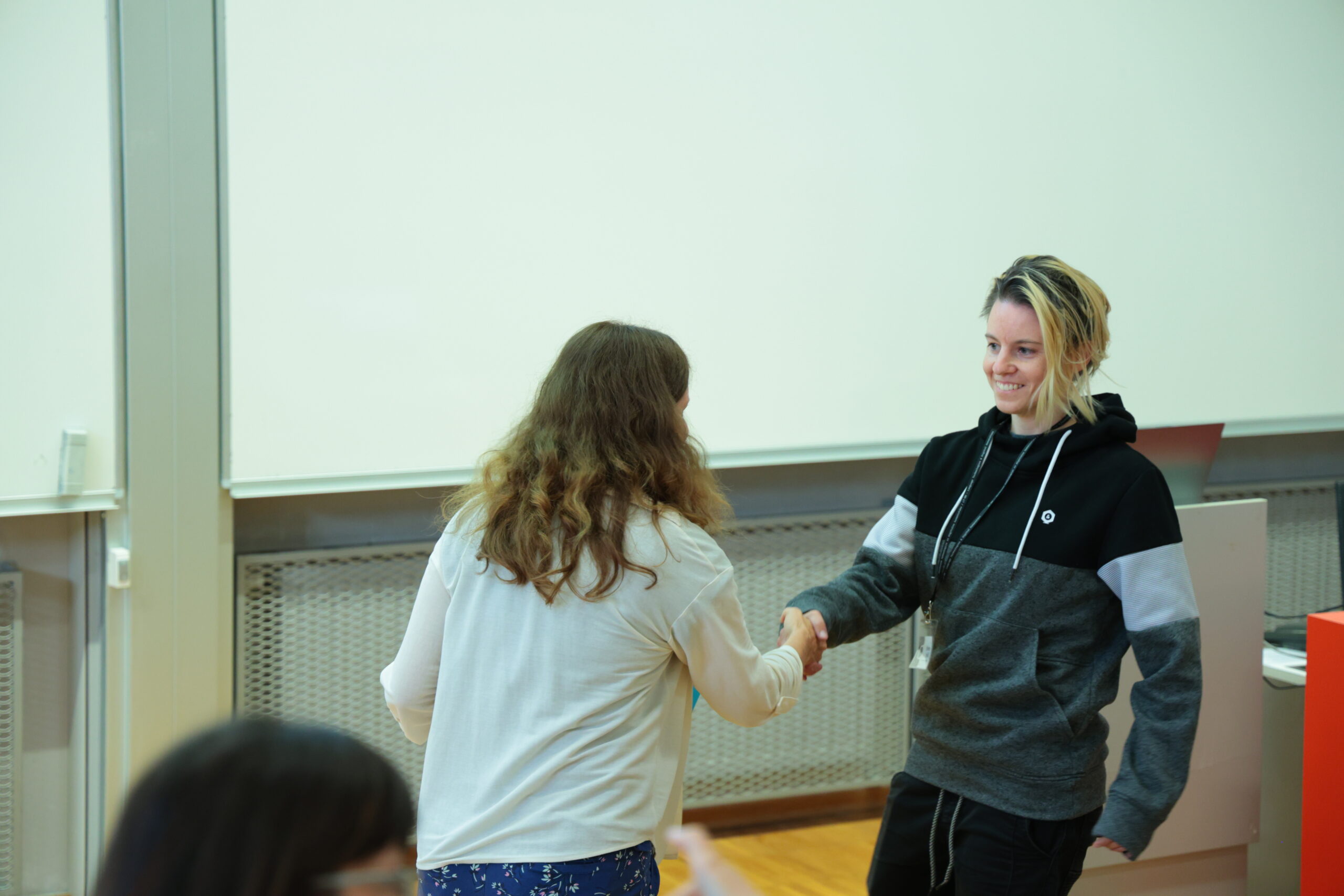
After two days of presentations, discussions and the exchange of research experiences, JT-DH 2026 concluded with the announcement of the student award. The JT-DH 2026 Student Award was presented to Nives Hüll – congratulations!
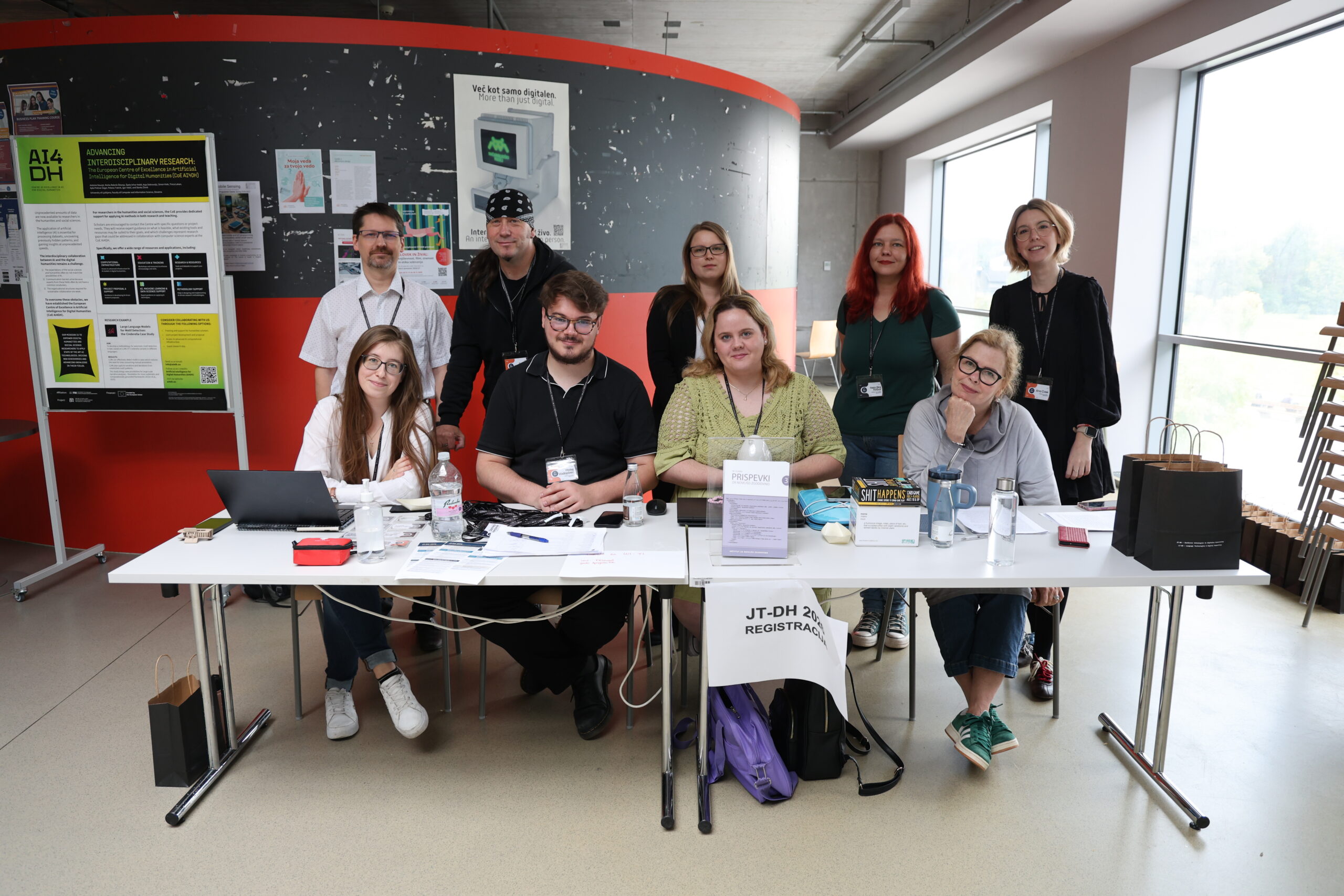
A special thank you goes to the organising committee, the students, the registration team, the technical staff and everyone else whose work before and during the conference helped ensure the smooth running of the event and contributed to a welcoming and stimulating conference atmosphere.
The full conference programme is available at:
https://www.sdjt.si/wp/jtdh-2026/urnik-timetable/
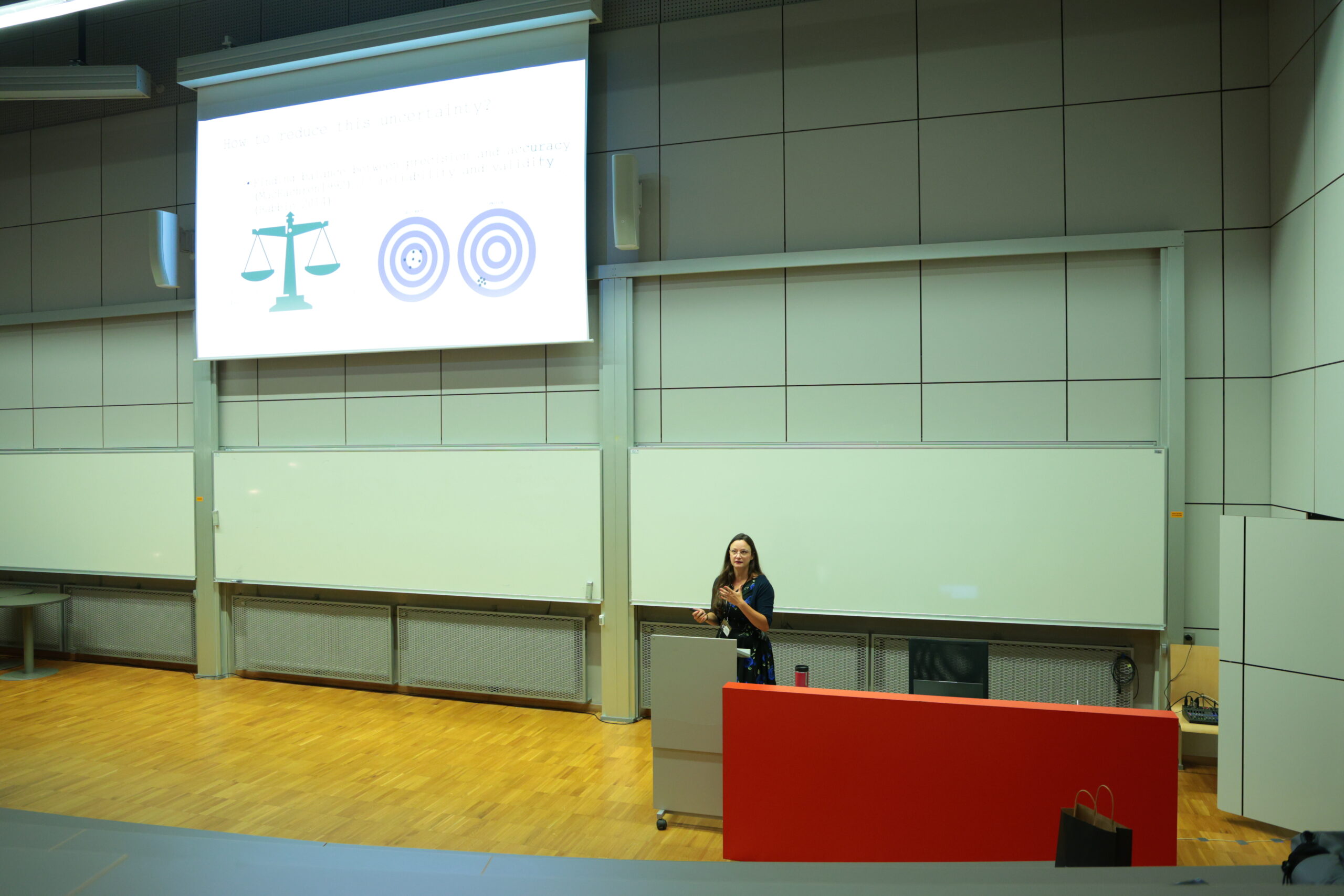
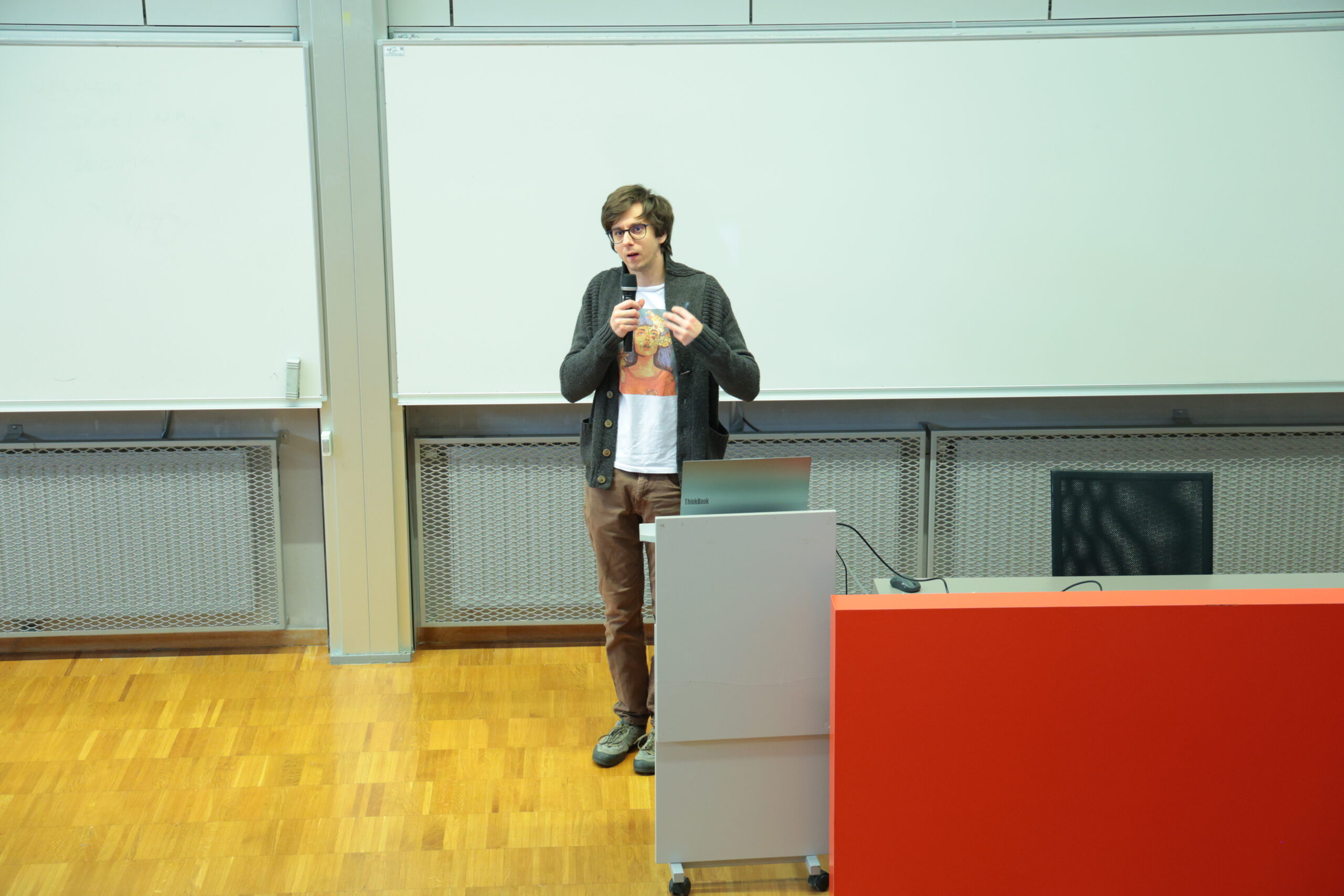
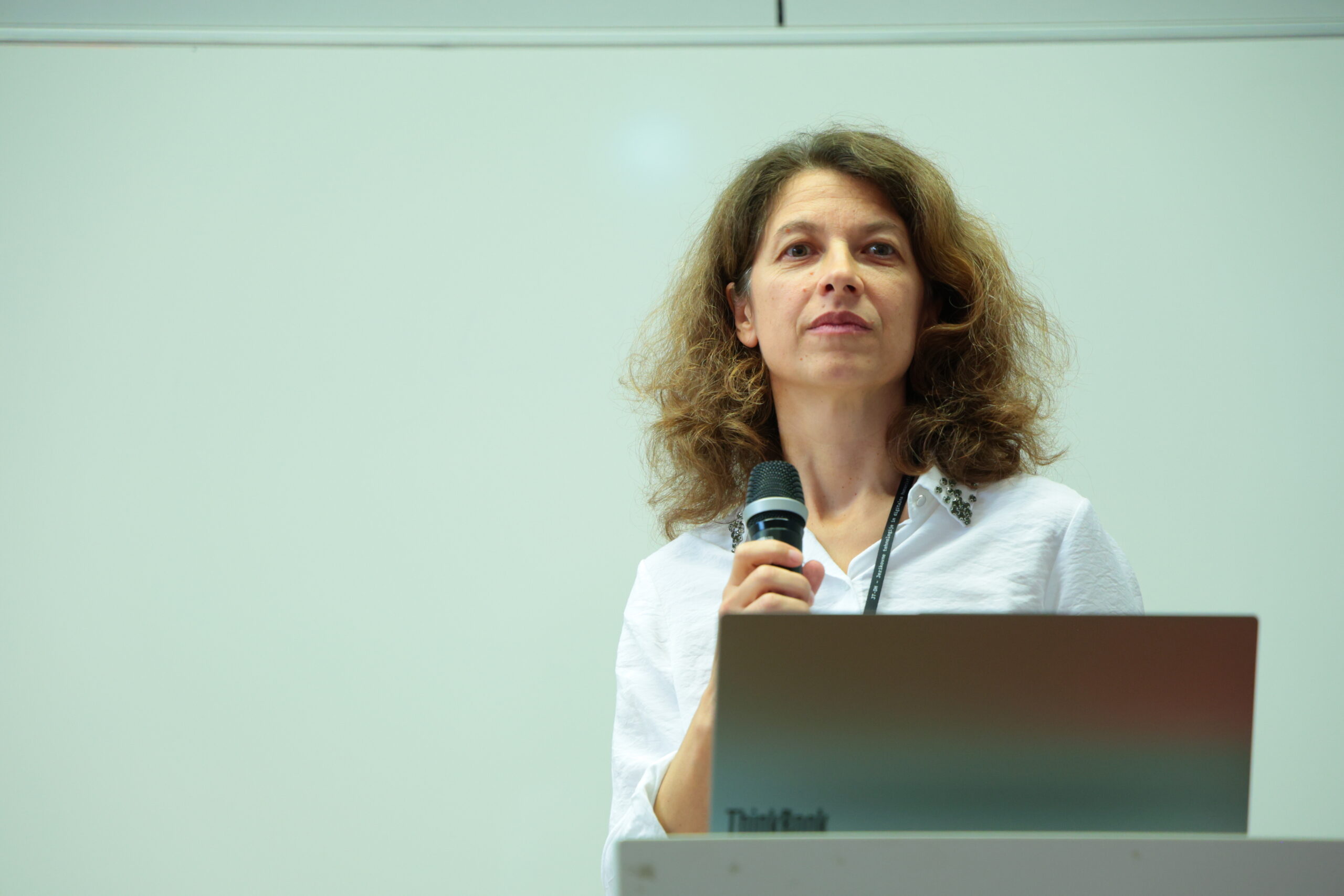
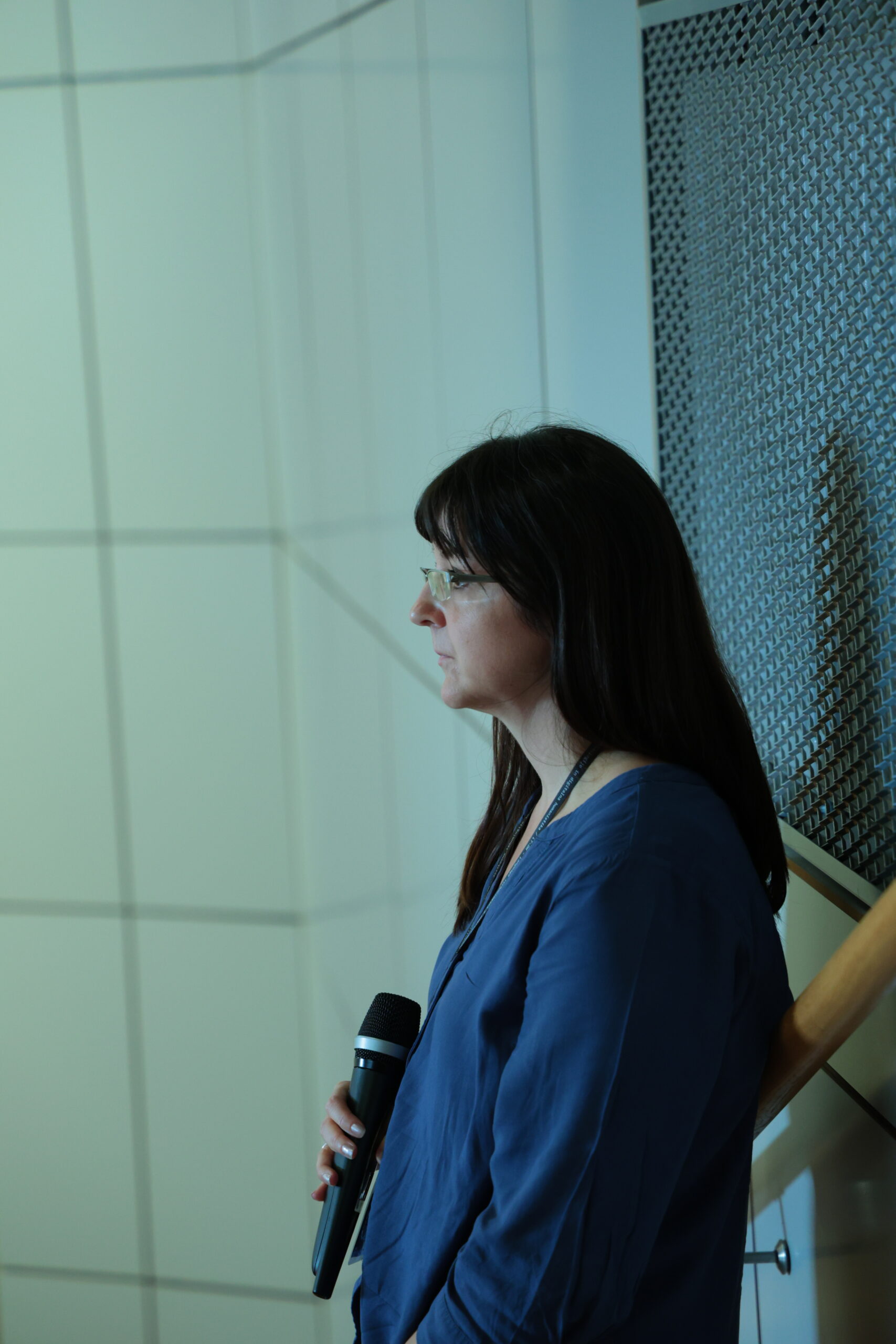
In this post, we’re sharing a few photo highlights!