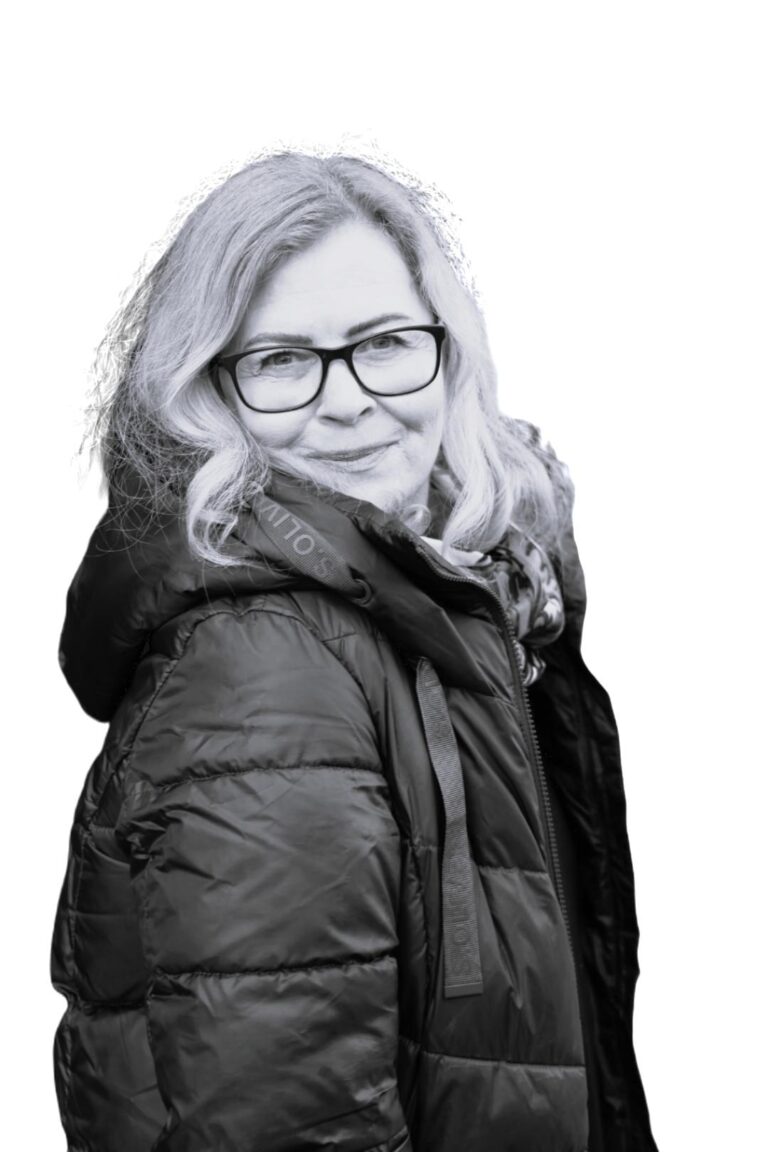
Between 1997 and 2006, Mojca Šorn was a member of the expert group that created the first and only systematic database, titled Smrtne žrtve druge svetovne vojne in zaradi nje na ozemlju Republike Slovenije (Fatalities during World War II and Deaths Caused by It in Slovenia) [database, 1997–].
She specialises in social history and has conducted the latest research into everyday life during emergencies, focusing on the 20th century or both World Wars – see the monographs titled Pomanjkanje in lakota v Ljubljani med veliko vojno (Shortage and Hunger in Ljubljana During the Great War) and Življenje Ljubljančanov med drugo svetovno vojno (Life of Ljubljana Citizens During World War II).
Since 2009, she has led the national infrastructure programme Raziskovalna infrastruktura slovenskega zgodovinopisja or Research Infrastructure of Slovenian Historiography (keywords: Slovenian research infrastructure for arts and humanities, Slovenian research infrastructure for language resources and technologies, development, maintenance, infrastructure management, digitisation, structured and unstructured data, digital editions, digital storage, TEI XML).
She is the editor of the History of Slovenia – SIstory web portal and a specialist in evaluating and inventorying historiographical materials (see the monographs Temelji metapodatkovnih sistemov zgodovine Slovenije – portal SIstory / The Foundations of the Metadata Systems of the History of Slovenia – SIstory Portal, 2008–2016, and Vsebine in njihova kategorizacija o zgodovini Slovenije – portal SIstory / Contents and Their Categorisation on the History of Slovenia – SIstory Portal) as well as in copyright law (see the monograph Avtorske pravice na primeru zgodovine Slovenije – Portal SIstory / Copyrights in the Case of the History of Slovenia – SIstory Portal).
Mojca Šorn is the editor of the Institute of Contemporary History Press and a member of the Scientific Council of the Institute of Contemporary History.
As a board member of the Slovenian Digital Research Infrastructure for the Arts and Humanities, Common Language Resources and Technology Infrastructure, and the Slovenian National Supercomputing Network, she actively collaborates with both national research institutions and the international research community.