NESA VREČER AT AN INTERNATIONAL CONFERENCE IN BERLIN
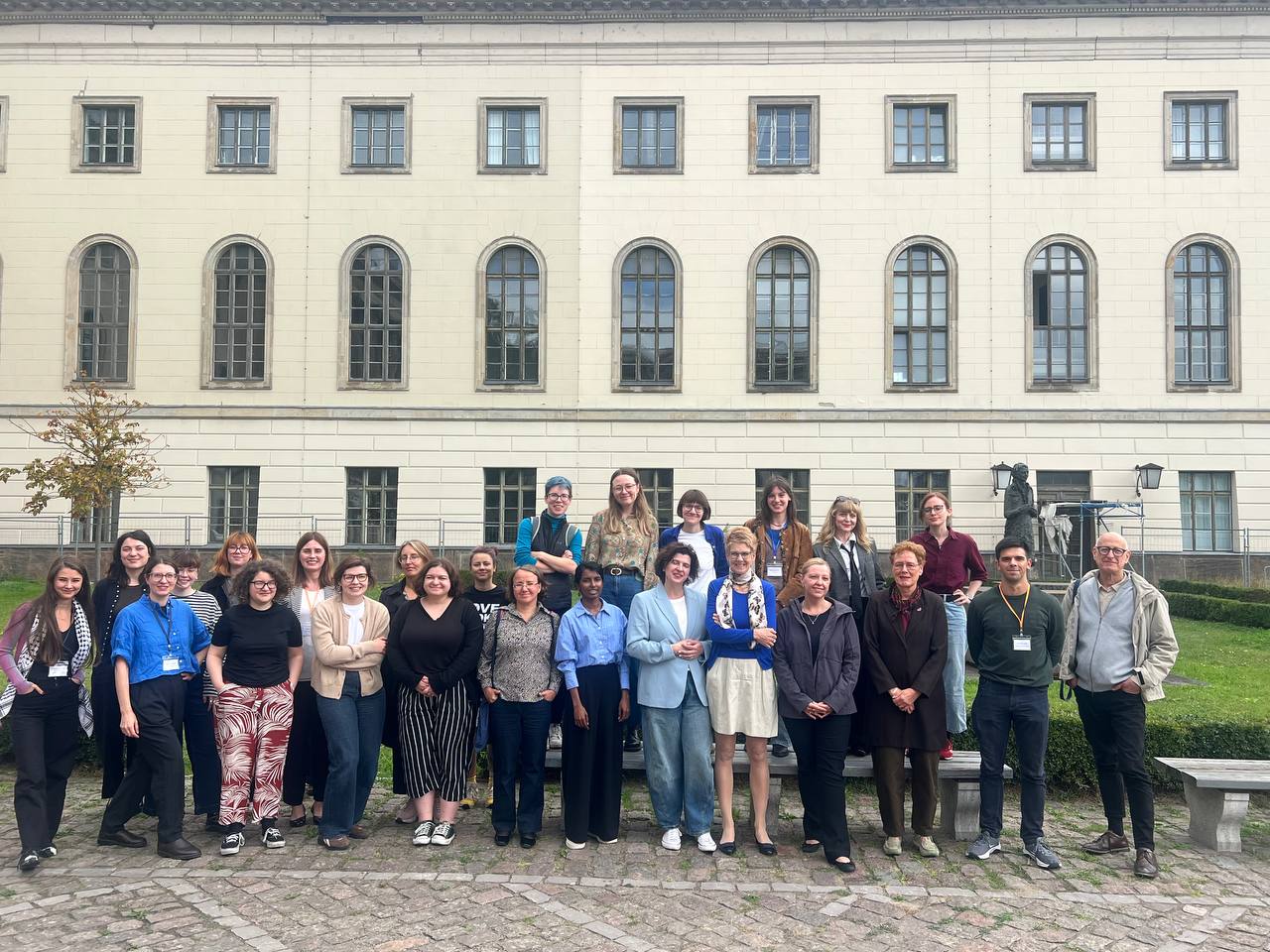
In September, Nesa Vrečer attended the conference “Women in Late Socialism: Gender Orders, Agency, and Transnational Entanglements” (17–19 September), co-organised by the Department of Eastern European History at Humboldt University Berlin and the Federal Foundation for the Study of the Communist Dictatorship in Germany (Bundesstiftung Aufarbeitung).
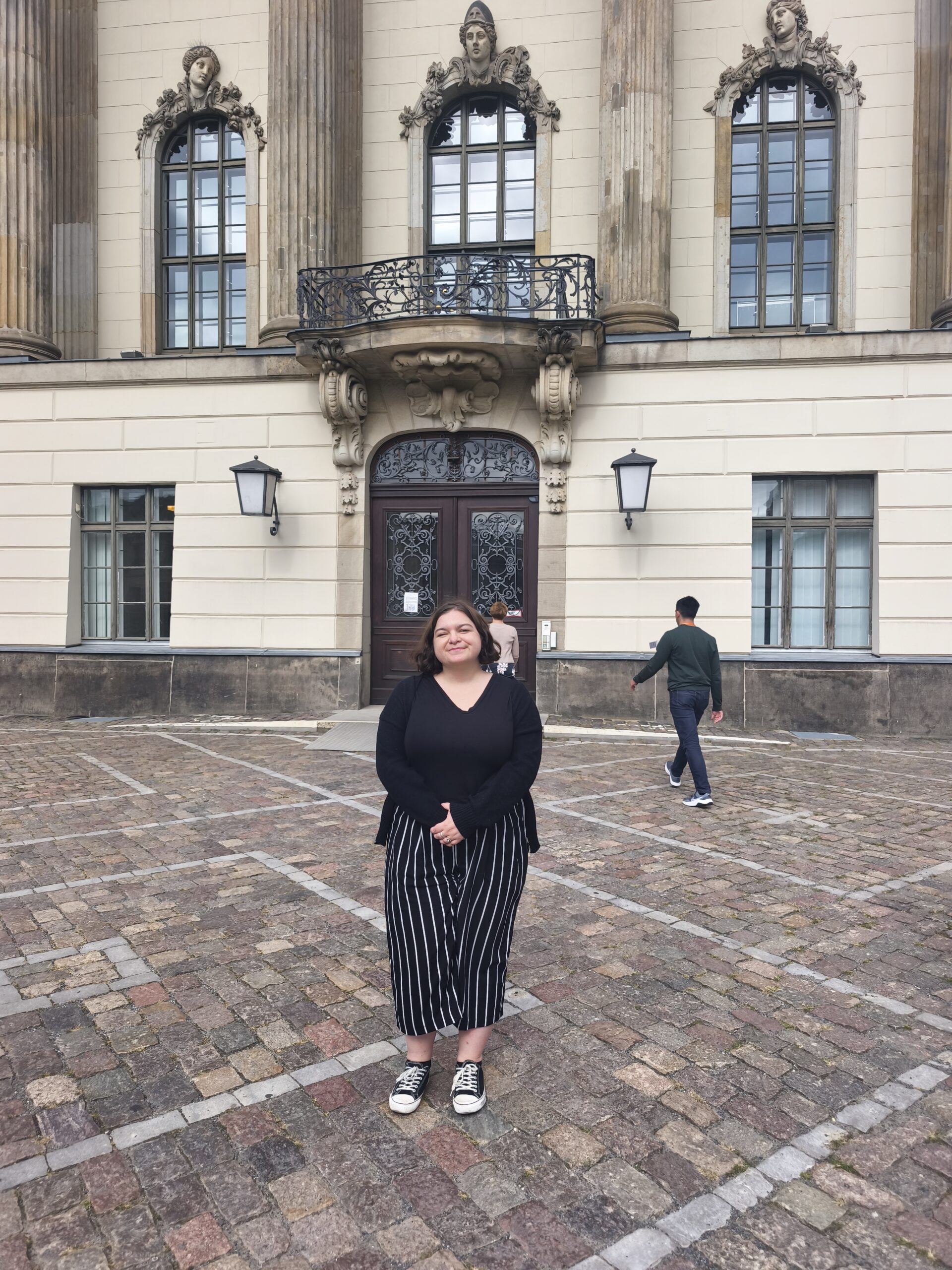
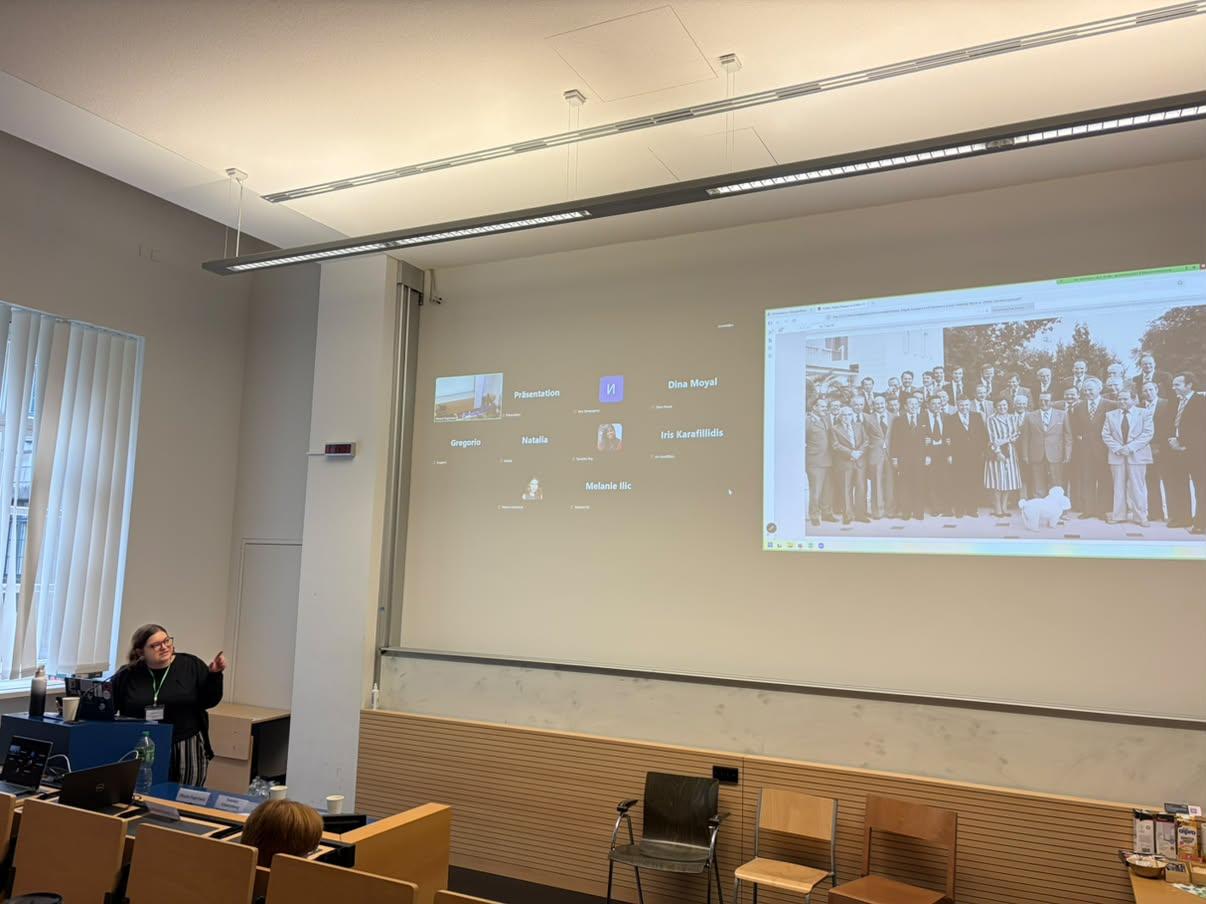
She took part in the conference as part of the research project Toward an Integrative Approach to Women’s Political Thought in East Central Europe: Cases from Slovenia and Beyond in the Long Twentieth Century (J6-70219), funded by the Slovenian Research and Innovation Agency. She presented a paper titled “Majda Gaspari and Women’s Socio-Political Work in 1960s Slovenia”, which examined the republican KDAŽ in Slovenia in the 1960s through the lens of the biography and discourse of Majda Gaspari, president of the Slovene KDAŽ during that period. She delivered her paper in the first panel, “Female Political Subjectivity in Late Socialism: Biographical Perspectives”.
The event brought together fifteen researchers in five panels, addressing different topics relating to women in late socialism: biographical perspectives, reproductive policies, minorities, and women’s dissident voices. It also covered a wide range of countries: the Soviet Union, Czechoslovakia, Yugoslavia, Bulgaria, the GDR, and Poland.
The programme opened with a keynote lecture by Francisca de Haan, titled “Women in Late Socialism? A Global Perspective”. De Haan is an expert on women’s organising and the Women’s International Democratic Federation (WIDF). Her lecture questioned the term “late socialism” itself, arguing that it signals a Eurocentric view and an end to the socialist project that is far from clear-cut from a global perspective. She also discussed the historical struggle of Palestinian women and their entanglements in global women’s organising.
The conference was structured around five thematic panels that reflected the organisers’ aim to examine how female agency under late socialism was shaped and enacted across several domains: political engagement and withdrawal, transnational Cold War spaces and networks, knowledge production, and the politics of the body. In addition, it explored diverse forms of women’s organising: from state women’s organisations and women active in dissident movements to more invisible minorities, such as Romani women in Slovakia and Muslim women in Bulgaria.
The lively discussion throughout the conference showed that the topic of women’s organising under socialism remains highly pertinent and that many areas still await further research. The event served as an important stepping stone in building a network of researchers from a wide geographical area, opening the door to significant transnational debates in the future.